
Visiting the University of Chicago was a long-standing academic aspiration and an unforgettable experience. The campus’s intellectual legacy—home to more than 100 Nobel laureates—provides an extraordinary setting for interdisciplinary research.
I am sincerely grateful to the UChicago Knowledge Lab for their warm welcome and for the thoughtful feedback on my research. It was an honor to engage with a group conducting pioneering work on how knowledge emerges, evolves, and diffuses across complex systems using AI, agent-based modeling, and machine learning.
I would especially like to thank Prof. James Evans for his time, generosity, and intellectual openness, which made this visit both professionally and personally meaningful.

Following the selection of our project Economic Dark Matter as a winner of the Complexity Global School (CGS) 2024, I was invited to visit the Santa Fe Institute (SFI) and participate in the 2025 Postdocs in Complexity Conference.
During this visit, I led the workshop Machine Learning & Deep Learning in Social Behaviour, presented advances from my doctoral thesis on AI-driven preference mapping, and co-presented Economic Dark Matter. The project aims to detect and quantify informal and illicit economic activity using artificial intelligence and graph-based methods.
SFI represents a unique intellectual environment where researchers from physics, biology, economics, engineering, and social science converge to study complex adaptive systems. I am deeply grateful for the feedback, collaborations, and new research connections formed during this visit.

I presented my PhD research at IC2S2 2025, one of the most competitive and diverse editions of the conference to date. My talk showcased recent progress on AI-based preference systems, highlighting how revealed preferences can be mapped and predicted using transparent neural architectures.
The conference provided an outstanding environment for exchanging ideas at the frontier of computational social science.
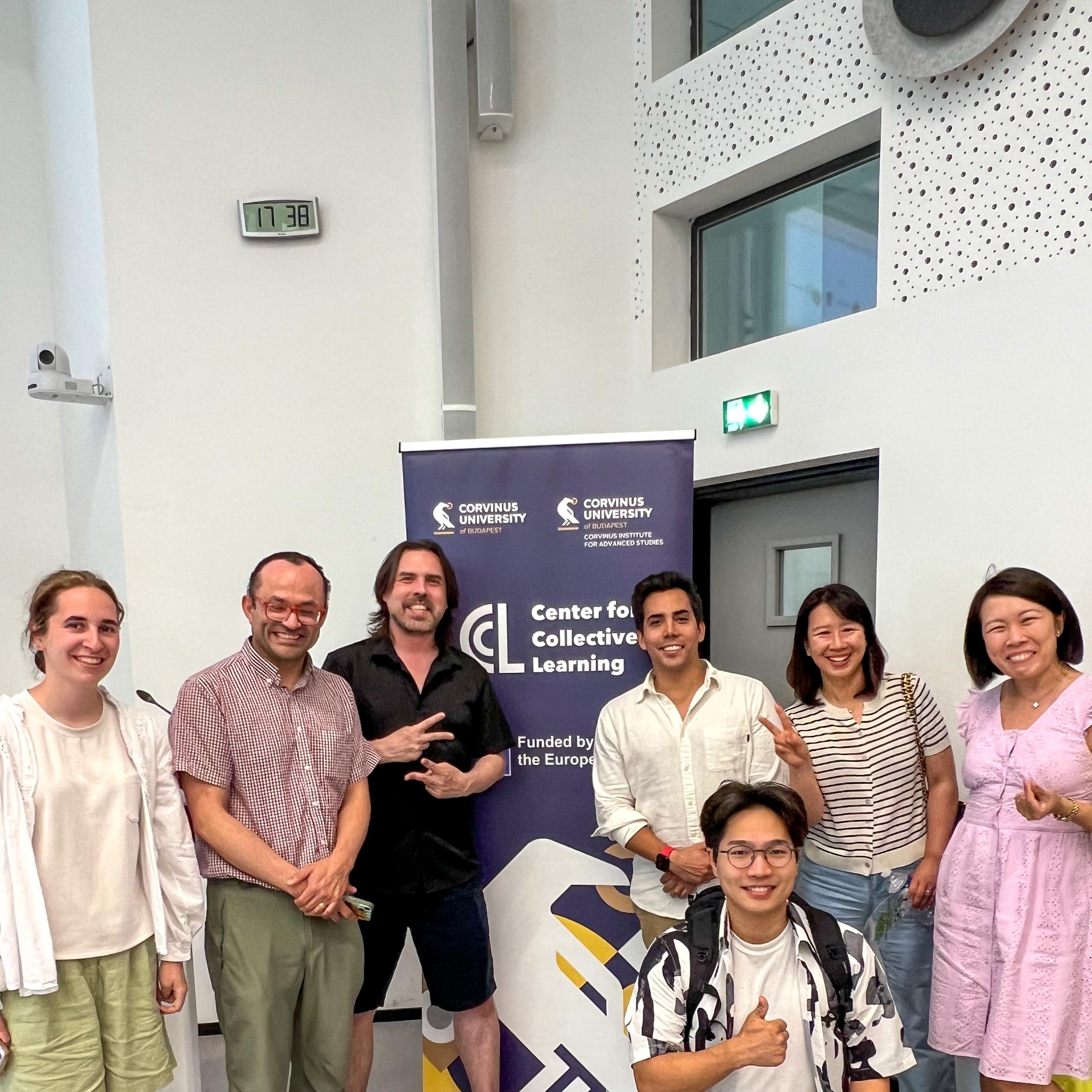
I participated as a student in the Conference on Economic Complexity 2025 and summer school in Toulouse. The event brought together researchers working at the intersection of economics, complexity science, computation, and data-driven modeling.
The school offered intensive exposure to contemporary methods and debates in complex systems applied to economic and social phenomena, providing valuable theoretical and methodological grounding for my doctoral research.
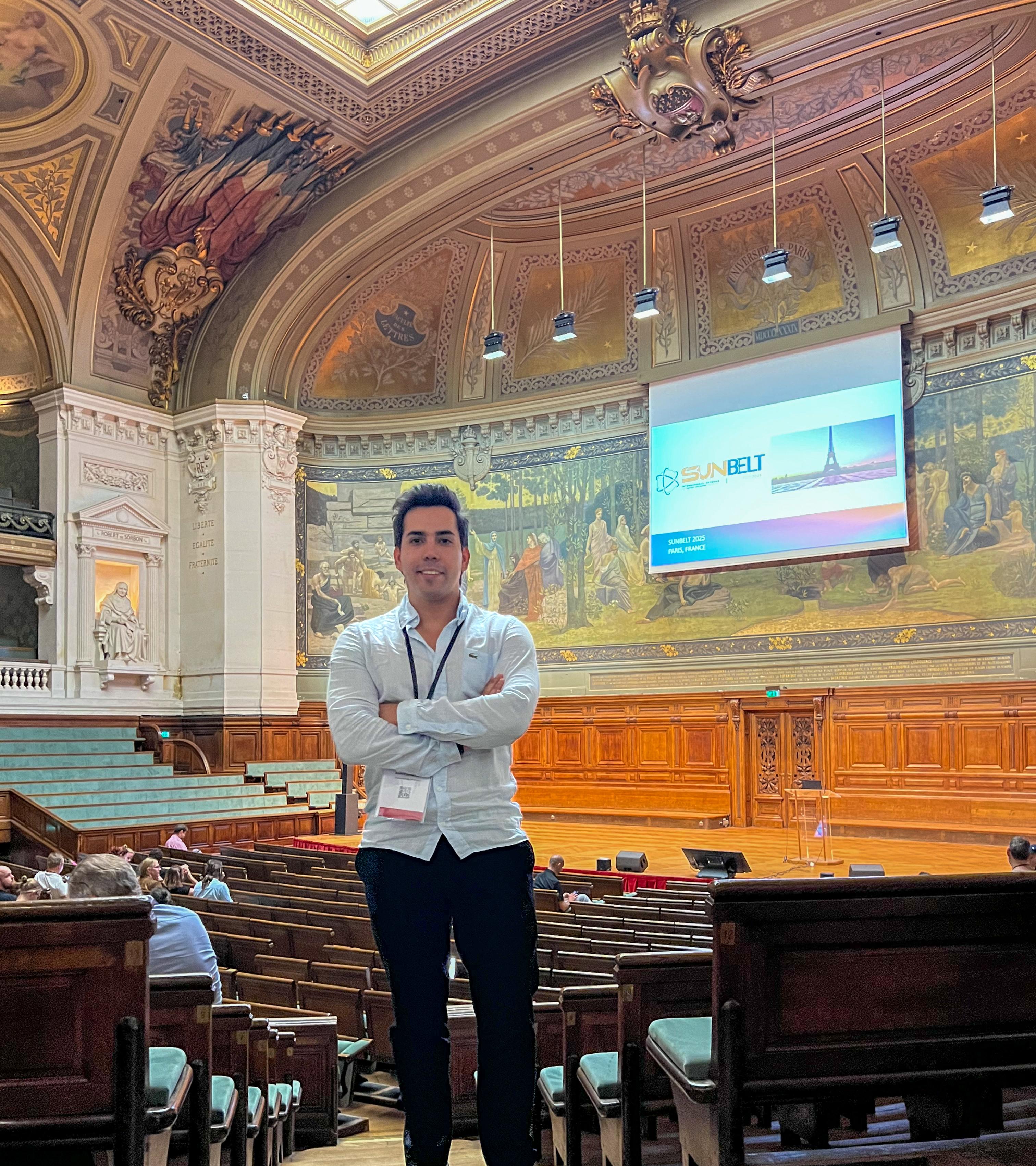
I presented recent advances of my doctoral research at Sunbelt 2025: Social Networks, Mechanisms and Algorithms, held at Sorbonne Université in Paris. The conference took place across the historic Grand Amphithéâtre and the Pierre-et-Marie-Curie campus, offering a unique setting shaped by centuries of intellectual tradition.
My presentation focused on an autonomous neural architecture designed to map and predict individual preferences from revealed-preference data.
I am grateful to the Chilean social networks community (ChiSocNet) for fostering connections among Chilean researchers attending Sunbelt, and for the opportunity to exchange ideas with doctoral and postdoctoral scholars based across Europe.

Adolfo Ignacio Fuentes Jofré participated in SICSS Chile 2025, held at the Pontificia Universidad Católica de Chile, where he contributed as an instructor after having previously participated as a student in the 2023 edition.
During the institute, he delivered two hands-on workshops as part of the Machine Learning for Social Science and Complex Systems & Networks tracks: “Hands-on: Building Predictive Models Using Supervised and Unsupervised Machine Learning Techniques” and “Hands-on in Network Analysis for Social Systems”.
SICSS Chile 2025 was jointly organized by IFMD, Centro Nacional de Inteligencia Artificial, DCC Universidad de Chile, CRiSS Lab, Ingeniería UDD, and Instituto de Sociología UC, bringing together postgraduate researchers from multiple disciplines across South America.
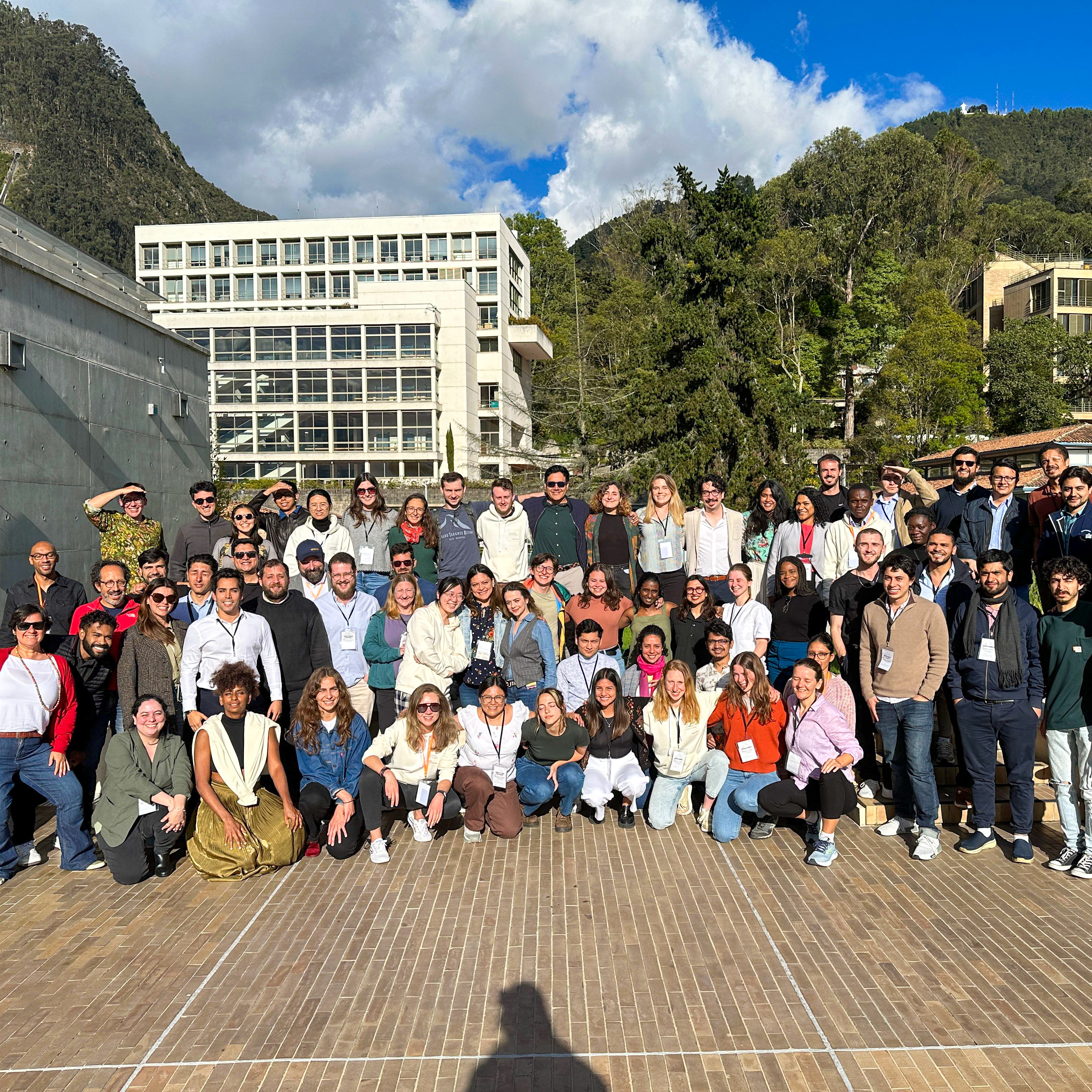
Complexity Global School (CGS 2024): This incredible program, organized by the Santa Fe Institute, brought together a diverse group of researchers and practitioners from around the world to explore and innovate in the field of complex systems.
We were invited to rethink paradigms in economic, social, and political life, exploring interests ranging from economics and artificial intelligence to supply chains and social movements. The best experience was sharing day by day with 60 participants from over 22 countries around the world, including mathematicians, physicists, biologists, engineers, economists, sociologists, and anthropologists.
The selection process was highly competitive, with an acceptance rate of less than 15%. In this course, we studied the following: Network Analysis, Computational Social Science, Applied Scaling Theory, Emergent Engineering and Digital Humanities

I delivered an oral presentation at the International Conference on Computational Social Science (IC2S2) held at the University of Pennsylvania, Philadelphia, USA. During this event, I presented new advances in my research, which focuses on developing an AI-based algorithm to quantify political ideology and measure political polarization. This algorithm has the potential to evolve into an autonomous digital democracy decision-making system capable of learning and emulating people’s preferences.
More than 700 researchers from around the world applied to this conference, and only 259 of us were accepted for oral presentations.I am grateful for the opportunity to share with many researchers from prestigious universities.
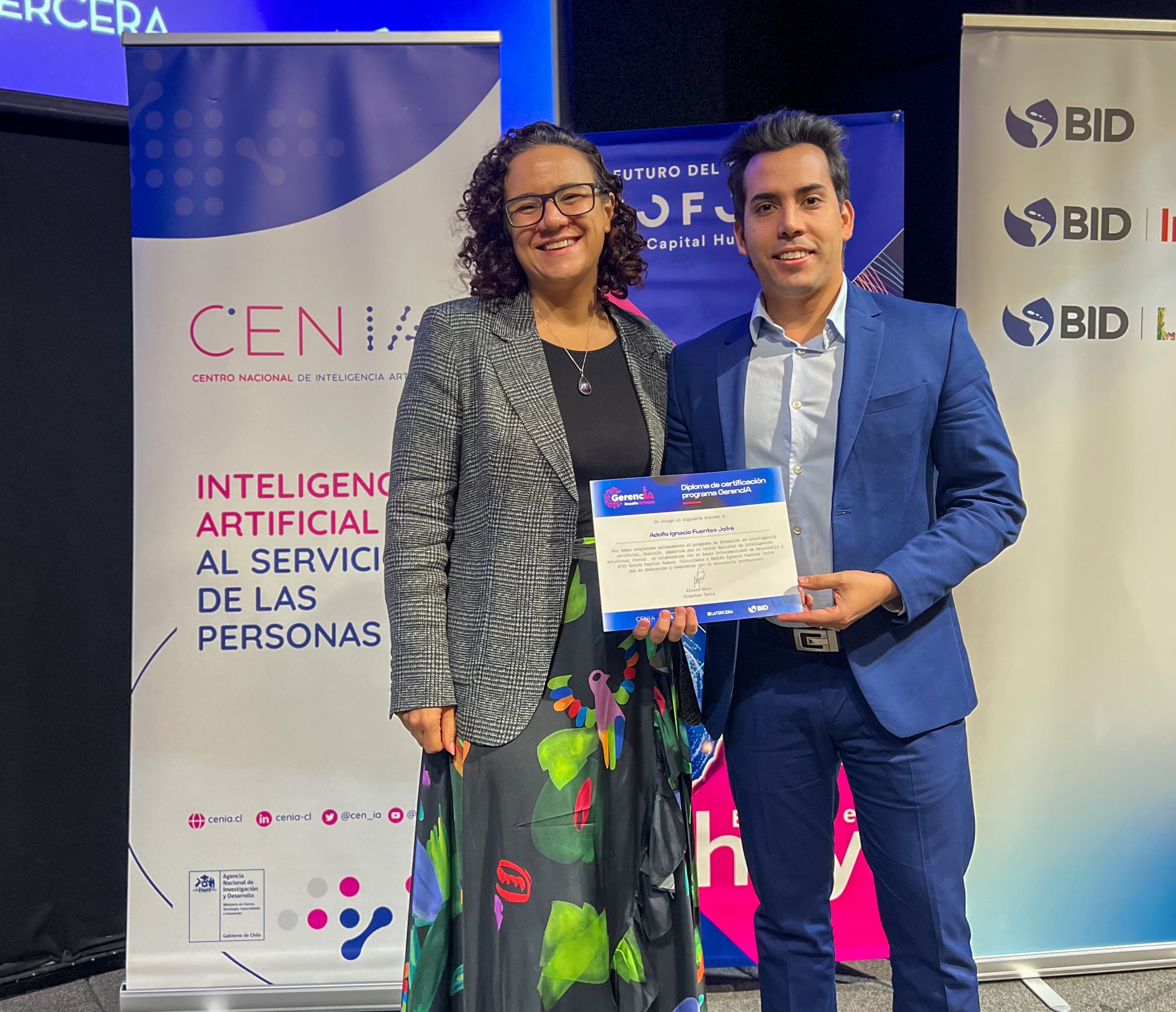
Certificate Ceremony Attendance at the GerencIA Program, 2024. I am deeply grateful to have been selected alongside 150 other business leaders to participate in this initiative, which is designed to train C-level executives in the strategic application of Artificial Intelligence. This program was organized by the National Center for Artificial Intelligence Chile (CENIA) and the Inter-American Development Bank (BID).

Oral presentation at the International Conference on Data Science (ICDS2023). On this occasion, I presented my research consisting of the development of an algorithm based on Artificial Intelligence that allows mapping and quantifying the political ideology of individuals, representing the first step towards measuring political polarization and considering a digital democracy.
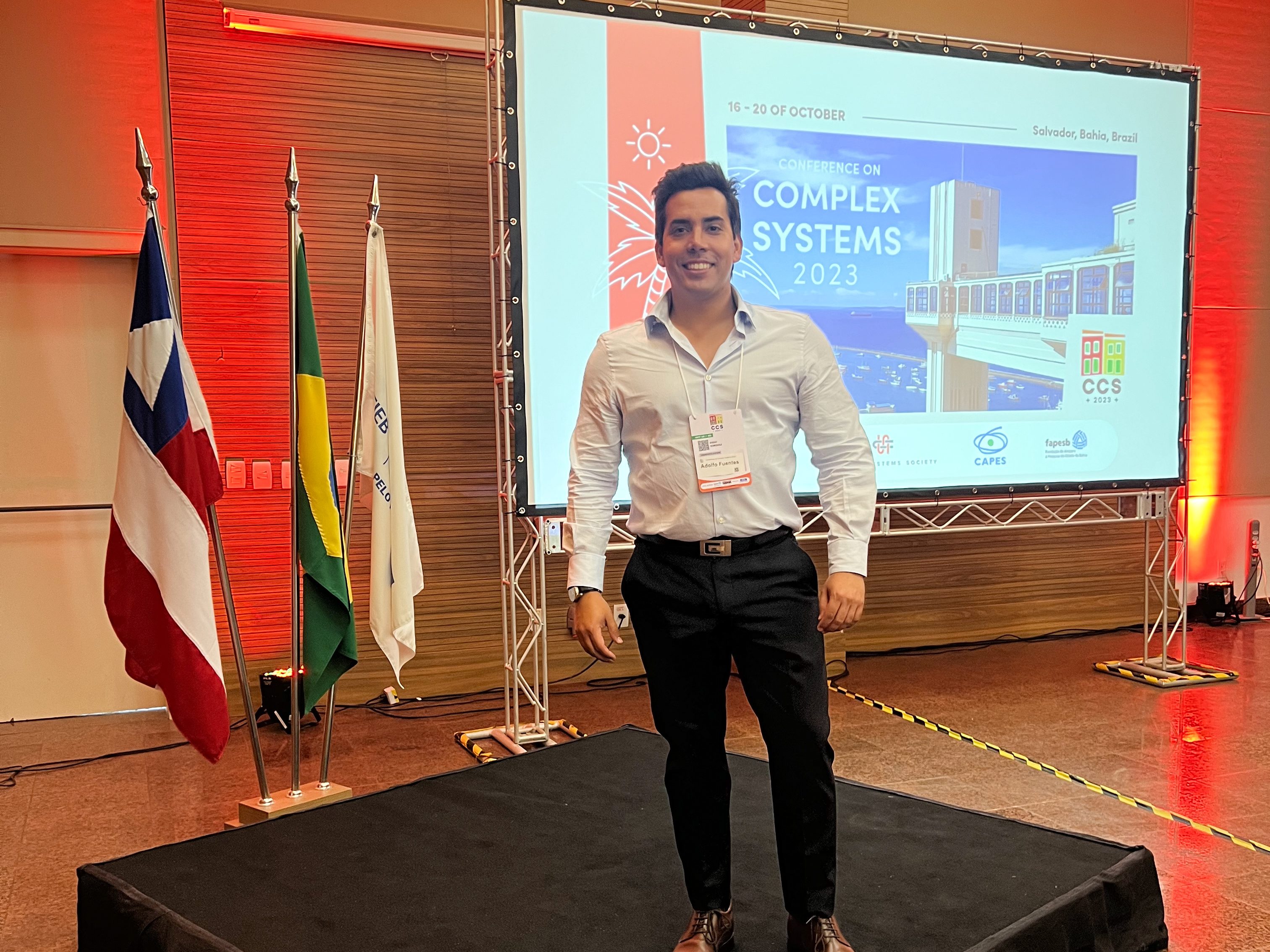
Oral Presentation at the 2023 edition of the Conference on Complex Systems (CCS2023) in Brazil, which is the annual meeting of the International Society for Complex Systems. I presented my research titled «Quantifying Mass Political Ideology Using a Tailored Neural Network Architecture.» This work is centered on developing an artificial intelligence-based algorithm to map and quantify individuals’ political ideology.

Oral Presentation at the 2023 edition of the Tourism Research Congress in Chile, which is the annual meeting of the Society of Tourism Researchers (SOCIETUR). I presented my research titled «Tourist Destination Recommendation System Algorithm».

Poster Presentation in the Science and Research Fair 2023 at the Universidad del Desarrollo.

Oral Presentation at the XIV Chilean Congress of Political Science 2023. I presented my research titled «Quantifying political polarization»
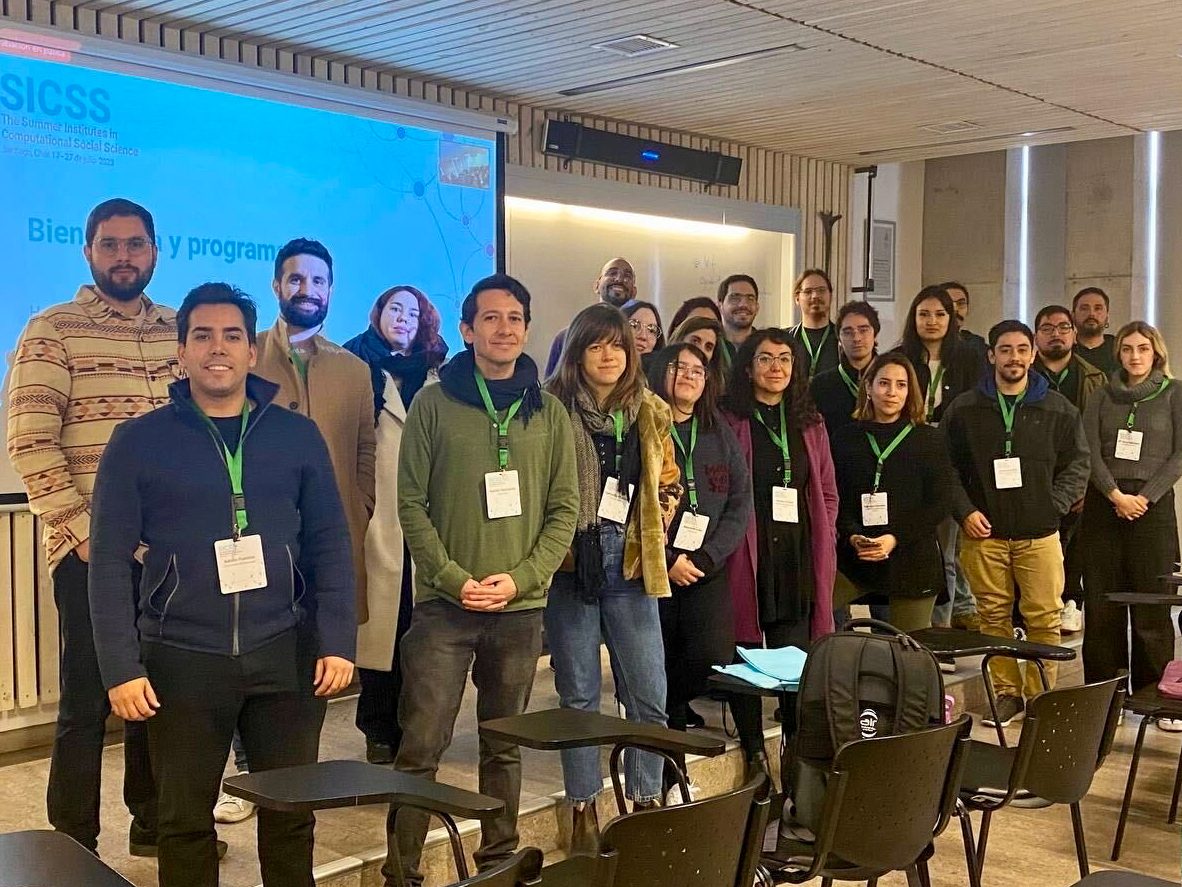
Attendance to the first Summer Institute of Computational Social Science (SICSS 2023) held in Chile. It was an enriching experience where I had the chance to meet and interact with individuals from various disciplines. Throughout the sessions, we delved into areas such as Machine Learning, Network Science, and Natural Language Processing (NLP), exploring their theories, methods, and applications for Social Sciences and Data Science.
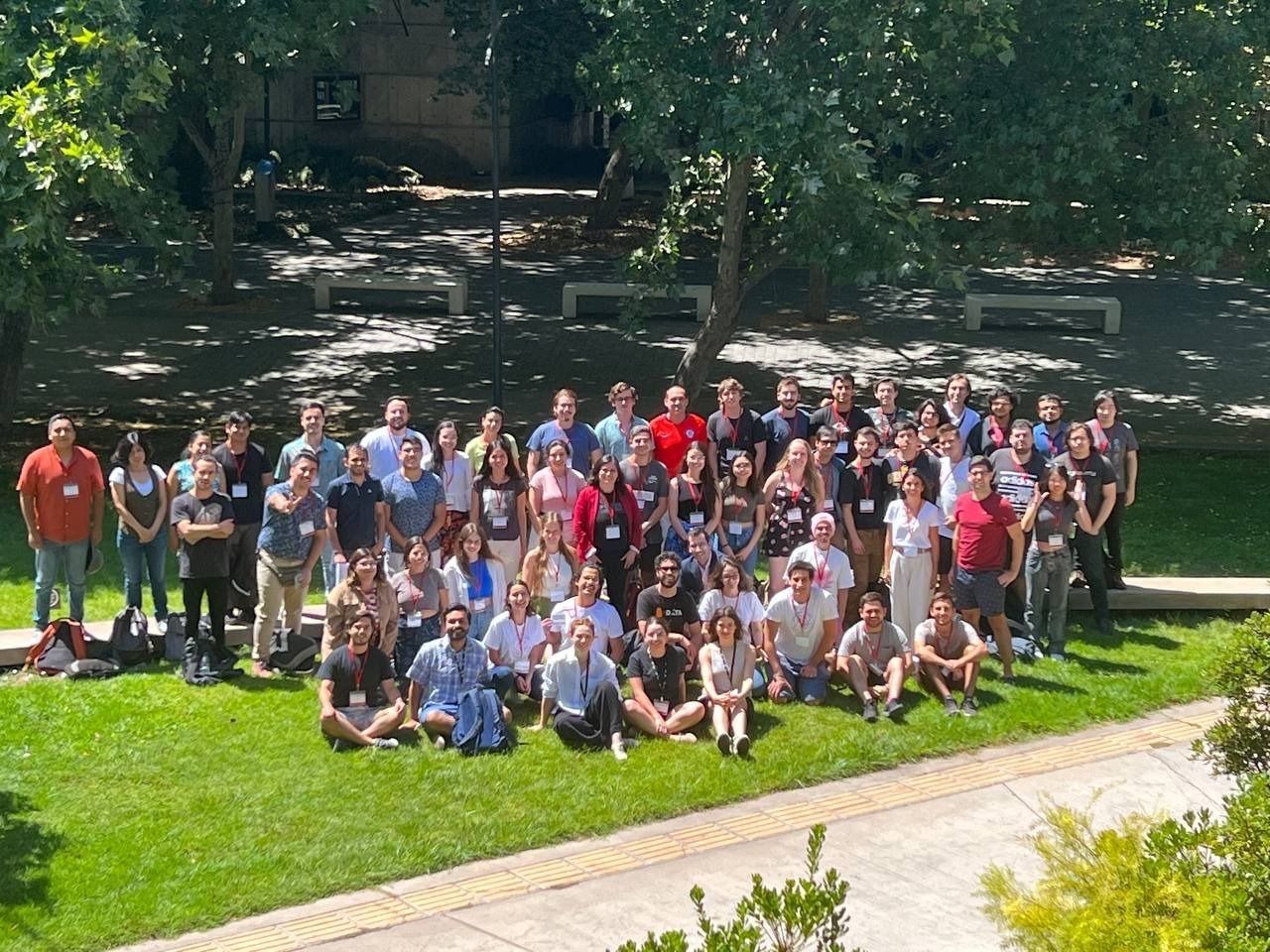
Attendance to the inaugural MIT–Chile Research Workshop in Human-Centered Artificial Intelligence & Data Visualization 2023.
 Sitio Oficial